
This year’s field trip for the Master in International Cooperation and Sustainable Emergency Architecture stands as a powerful example of adaptability in practice—one of the core values we aim to instill in our students.
The trip was originally planned to take place in Tanzania and was organized by Cristina Melero from Bosco Arts Foundation. However, due to the outbreak of conflict in the Middle East and the subsequent cancellation of flights, the program was forced to reorganize the entire field experience within a matter of days.
Despite the challenges, the academic team successfully relocated the field trip to Cantabria, in Spain, transforming a moment of uncertainty into a meaningful and contextually rich learning opportunity.
The fieldwork was developed in collaboration with the religious community Siervas del Hogar de la Madre, whose self-sustaining model and commitment to place-based living offered students a unique environment for learning and exchange.
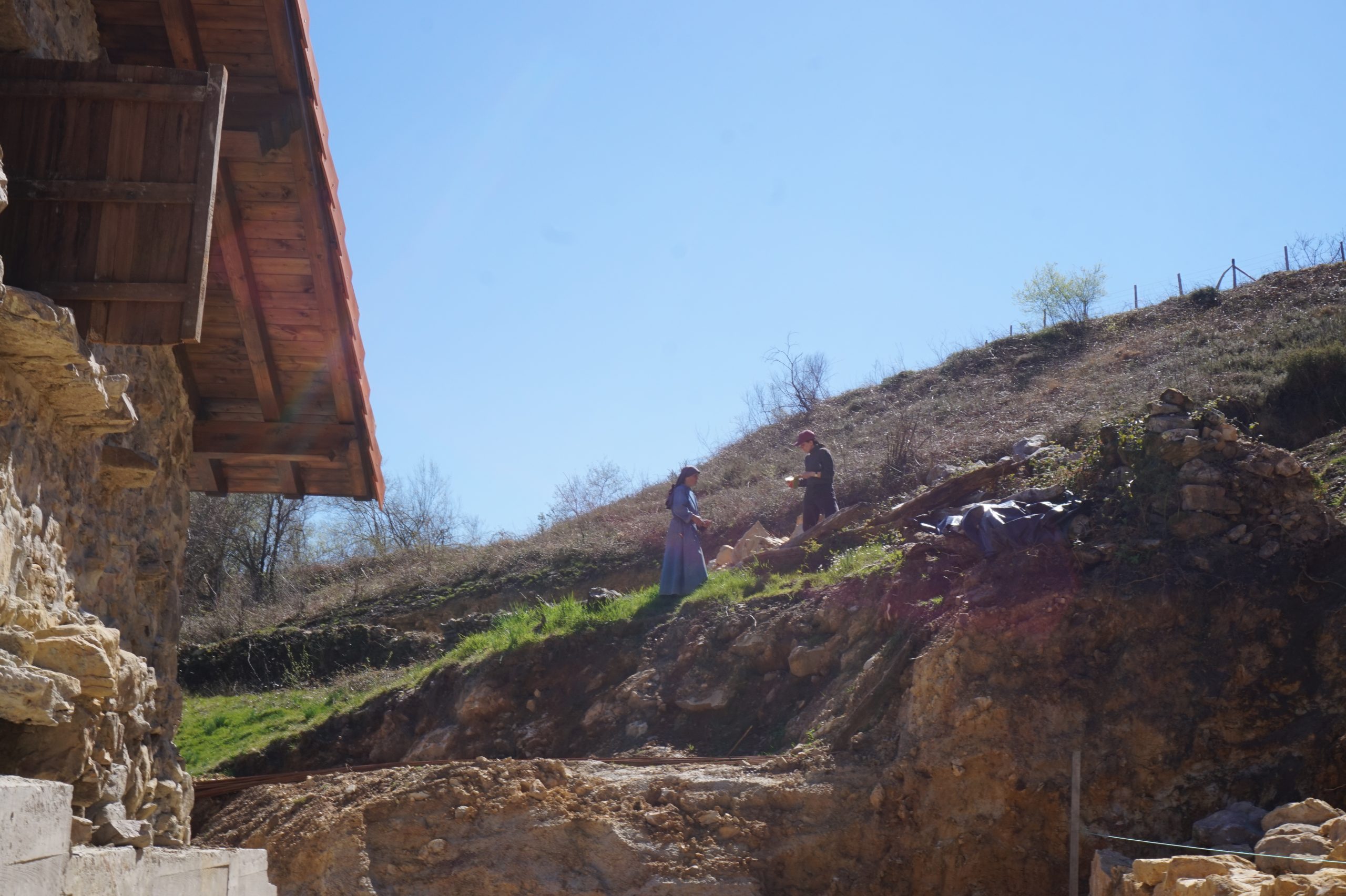
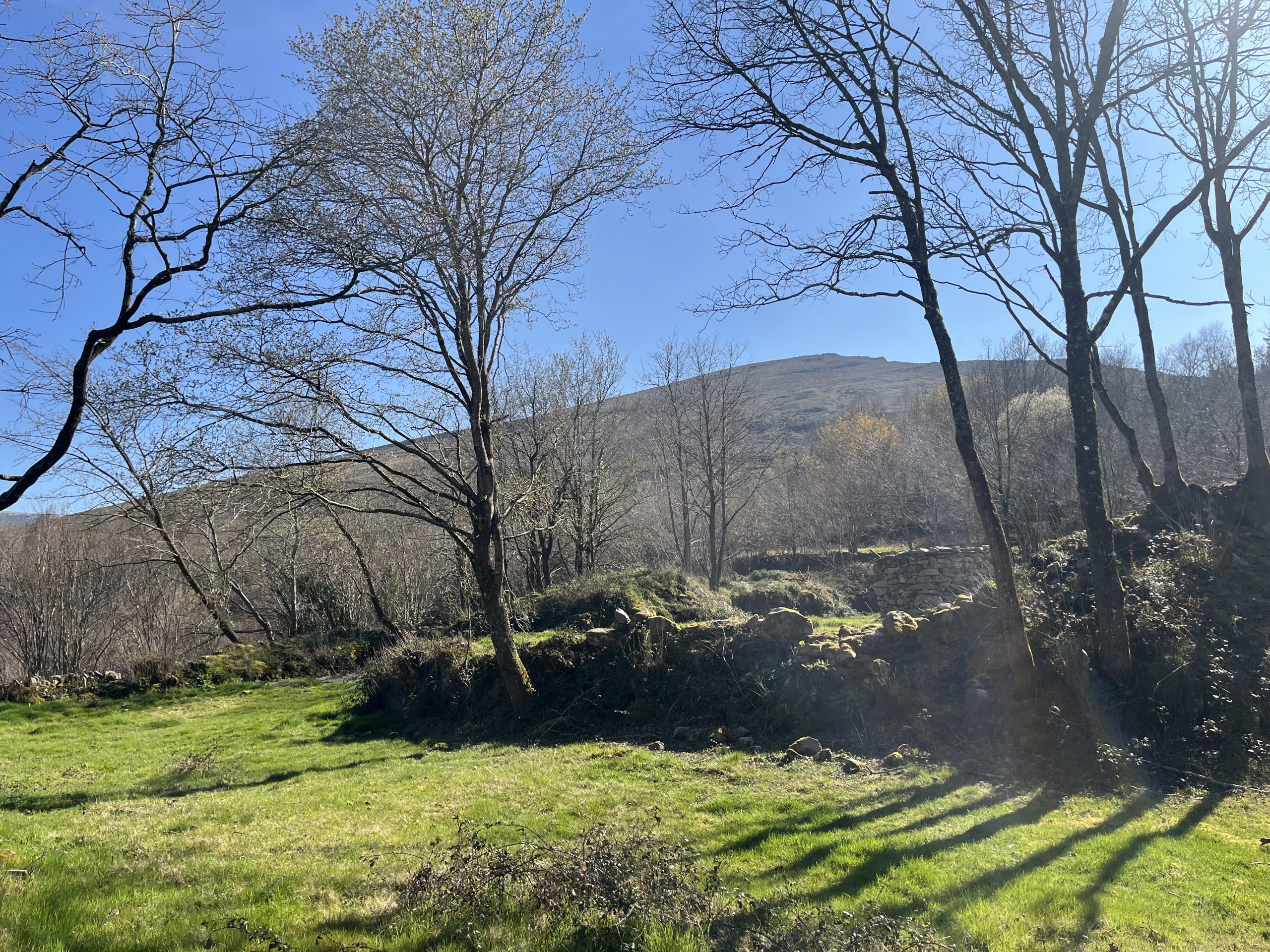
Activities were primarily divided between two sites. At the invernales, the main working area, students engaged in hands-on construction, rebuilding barn walls and exterior benches using local stone and concrete. They also researched traditional materials such as white clay and lime, explored the surrounding landscape to identify natural resources like a spring, and collaborated on landscape design interventions.
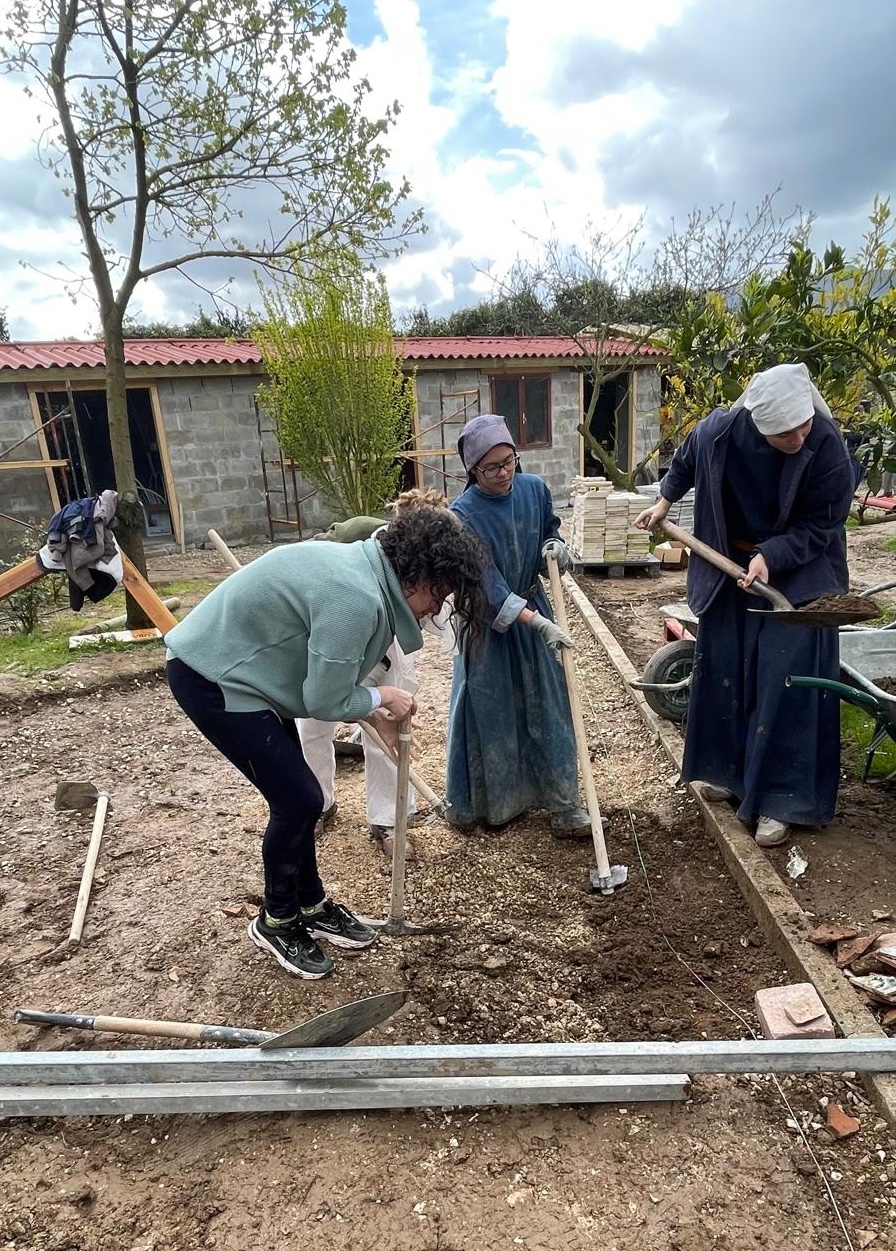
A second working session took place in Zurita, where students visited the community’s main house to study their model of self-construction. There, they contributed to paving access paths and toured a series of self-built workshops—including stained glass, printing, mosaics, and woodworking—gaining firsthand insight into how the community designs, builds, and maintains its own infrastructure.
Beyond the technical skills acquired, the field trip directly engaged with the central themes of the master’s program. Students worked under conditions of resource scarcity, relying exclusively on locally available materials, mirroring the constraints often found in emergency contexts. They also observed a living example of community resilience through self-construction practices, highlighting the role of empowerment in international cooperation. Finally, the unpredictable weather conditions provided a real-world framework for understanding climate adaptation and the protection of vernacular architecture.
Ultimately, what began as a logistical challenge became a deeply valuable educational experience—demonstrating that in the field of international cooperation and emergency architecture, the ability to adapt is as important as any technical skill.
A special thanks to the community of sisters for welcoming us and teaching us so much.
Images taken by Fundación Bosco Arts.