
Opening New Paths: Final Thesis Presentations 2025
Our students have presented their final thesis work—and we are now about to close an intense academic year.
We were honoured to welcome invited jury member Rafael Gómez-Moriana, who joined our faculty—Carmen Mendoza Arroyo, Apen Ruiz, Kathrin Golda-Pongratz, Mbongeni Ngulube, Nerea Amorós Elorduy and Alejandro de Castro together with PhD researchers Sarah Elthoky and Ashley Howard —in the review process.
The day closed with an inspiring talk by Isabelle Anguelovski, ICREA Research Professor at ICTA-UAB, specialist on climate justice, environmental racism, and the social impacts of urban greening. Isabelle Anguelovski introduced us to the gentrification effects of new green urban areas.
This year’s theses tackled a wide range of urgent and deeply relevant themes, reflecting the complex challenges facing contemporary societies. The projects explored topics from ecosystem-based disaster risk reduction in the Western Ghats of Kerala, India, to community-based wildfire response in California, revealing a growing emphasis on the value of local and ancestral techniques. Their case studies span diverse locations, including Morocco, Rwanda, Cabo Verde, Spain, Venezuela, amongst others. Each project is grounded in contemporary realities and guided by a strong methodological framework, aligning with the MICSEA program’s commitment to critical, context-sensitive, and solution-oriented research.
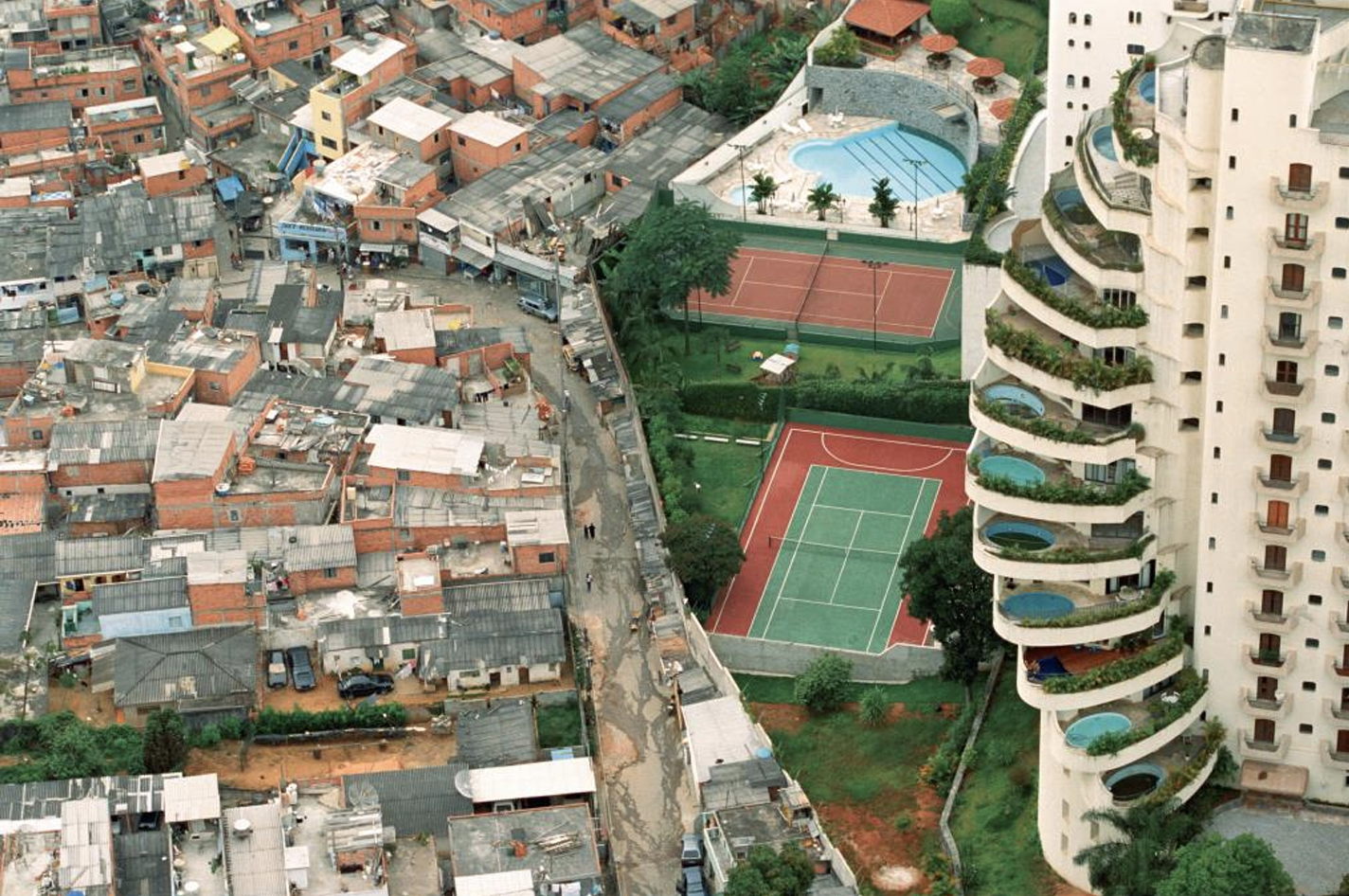
Several theses take a critical stance on the legacy of colonialism and question humanitarian architectural practices. Ibtihal el Moatassim’s Enduring Transience: Analysing the (de)construction of marginality in Hay Mohammadi, Casablanca analyzes the marginalization processes in Hay Mohammadi, Casablanca, uncovering the ways structural inequities are built into urban landscapes. Ruth Solomon’s study reveals the stark spatial segregation faced by low-income migrant laborers in Dubai, highlighting how legal and policy frameworks create deep urban divides beneath the city’s glamorous image. Wael Wehbeh’s study on the Decolonization of Humanitarian Architecture in Rwanda similarly challenges dominant narratives and practices, seeking pathways for more just and context-sensitive interventions. The social consequences of tourism-driven development come under scrutiny in Orlando Low’s thesis, Architectural Development and the Paradox of Progress as he interrogates how architecture can exacerbate economic inequalities and social tensions in tourist-heavy regions. Nafeesa Clarke’s research on Kingston, Jamaica, critically examines how transnational migration and urban redevelopment often reinforce socio-economic inequalities and spatial exclusion, highlighting the need for more equitable urban planning policies.
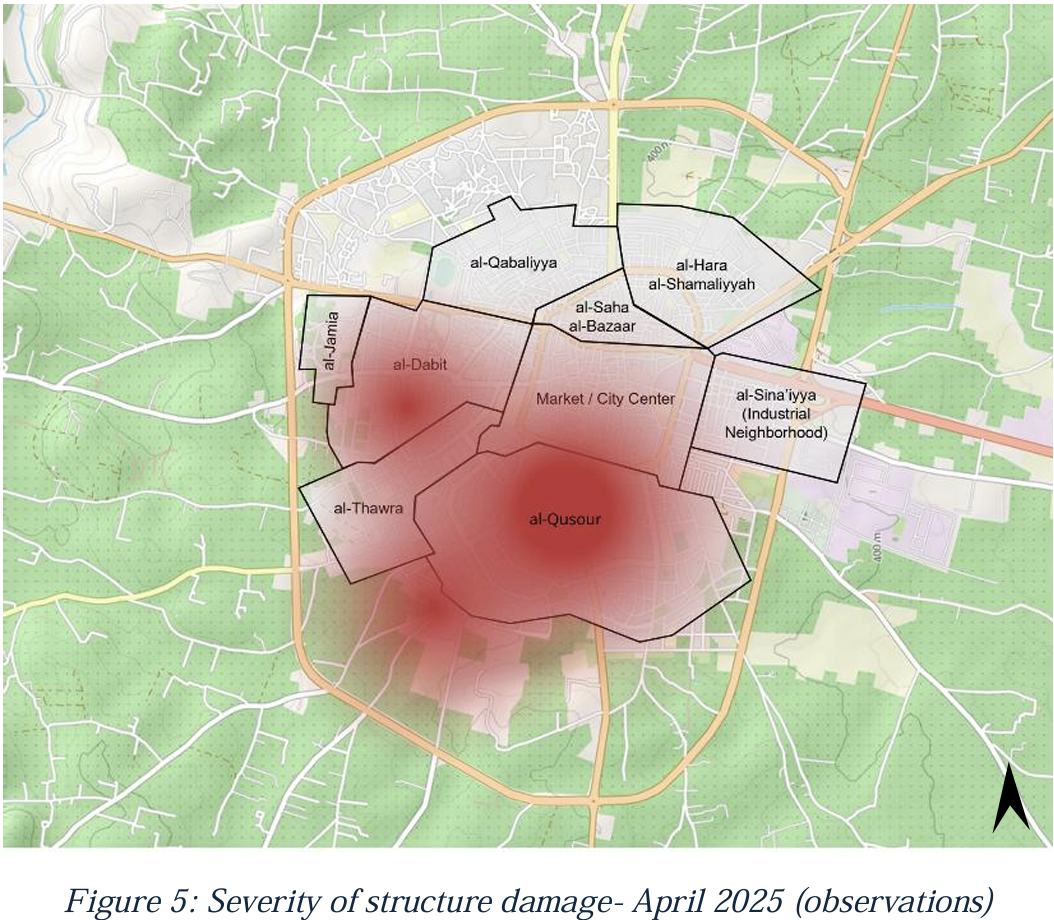
We also welcomed Post-Conflict Housing Recovery by Layla Barakat, a timely and critical investigation into forced displacement, urbicide, and engineered segregation in Idlib, Syria. Her thesis brings to light six emerging post-conflict housing typologies in the region and examines how physical destruction, social fragmentation, and governance challenges shape recovery efforts. Drawing lessons from Bosnia and Kosovo, the work underscores the need for inclusive and context-specific strategies to rebuild both homes and social fabrics. Arthur de Meulder’s thesis Anchored Yet Adaptive: Investigating the Balance of Permanence and Adaptability in Housing Design — A Case Study from Thailand on “anchored adaptability” examines resilient housing in coastal Thailand, emphasizing the importance of cultural continuity and equity in designing adaptable homes while critiquing top-down policies that undermine local resilience.
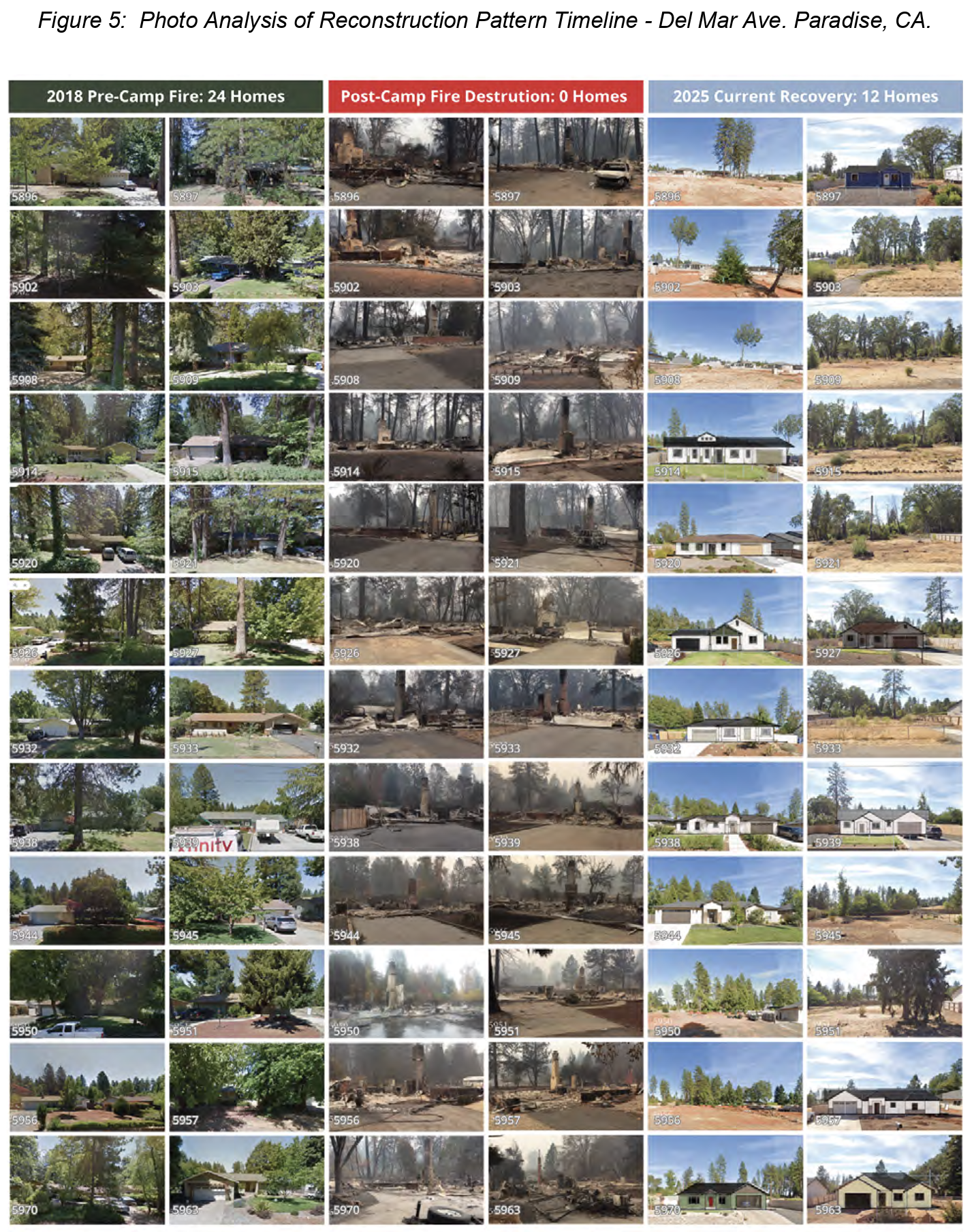
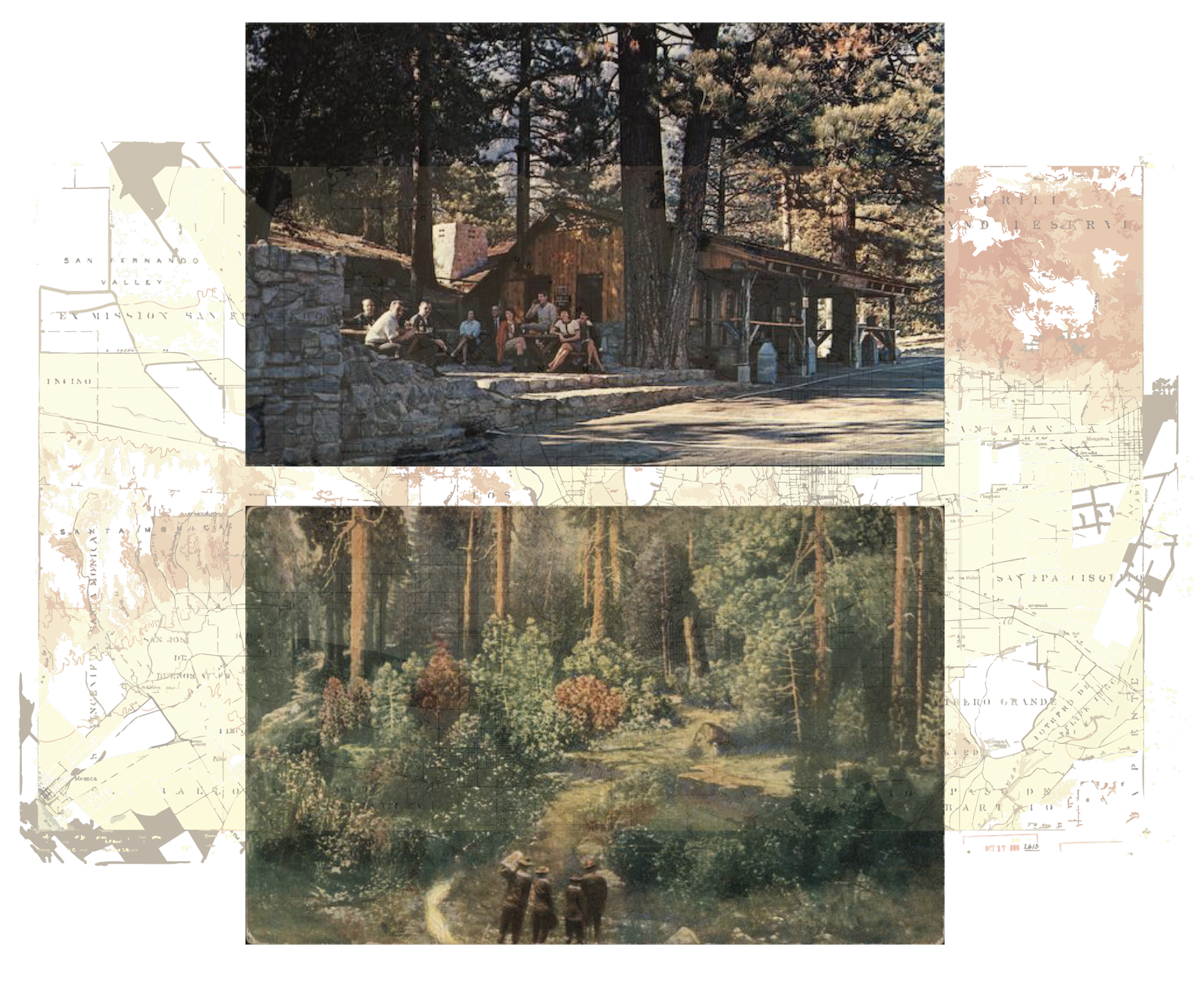
Natalie Buccini’s work, Barriers Beyond the Blaze: The Role of Institutional and Perceptual Barriers in the Mainstream Adoption of Earthen Construction in Post-Wildfire California: The 2018 Camp Fire Case critically examines institutional and perceptual obstacles that hinder the broader adoption of earthen construction in post-wildfire California, advocating for a more grounded, community-focused architectural response. Alaina Schwartz’s The Paradox of Protection examines how climate change and human intervention reshape the management of protected landscapes, challenging traditional notions of nature and conservation in Southern California’s Angeles National Forest. Similarly, Ximena Eguren’s Weaving Water and Wisdom: Local Resistance in the Face of Climate Change centers on indigenous and traditional knowledge as essential tools in climate adaptation. Both advocate for a more humane, ecological, and locally rooted practice that can complement or even surpass high-tech solutions.
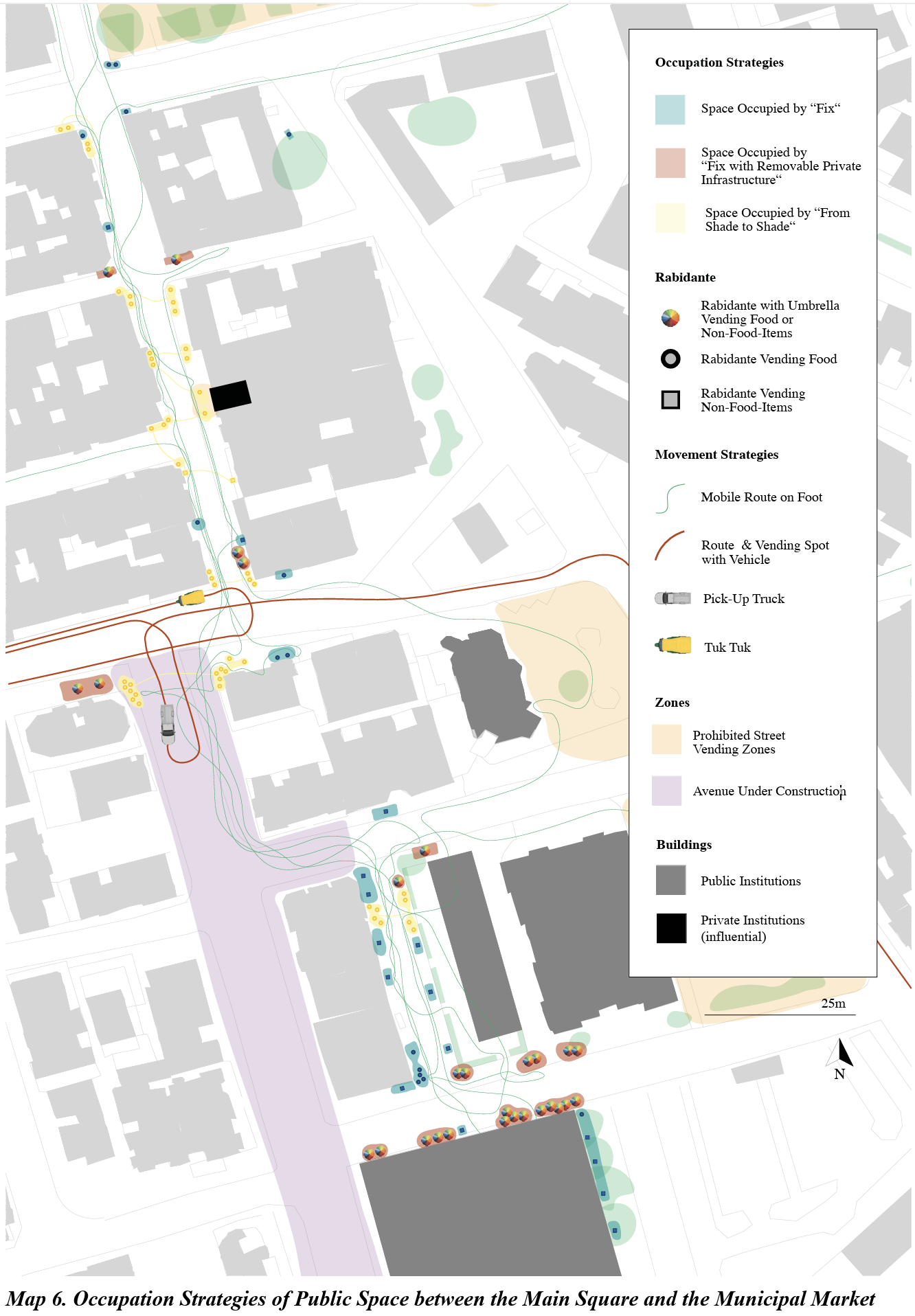
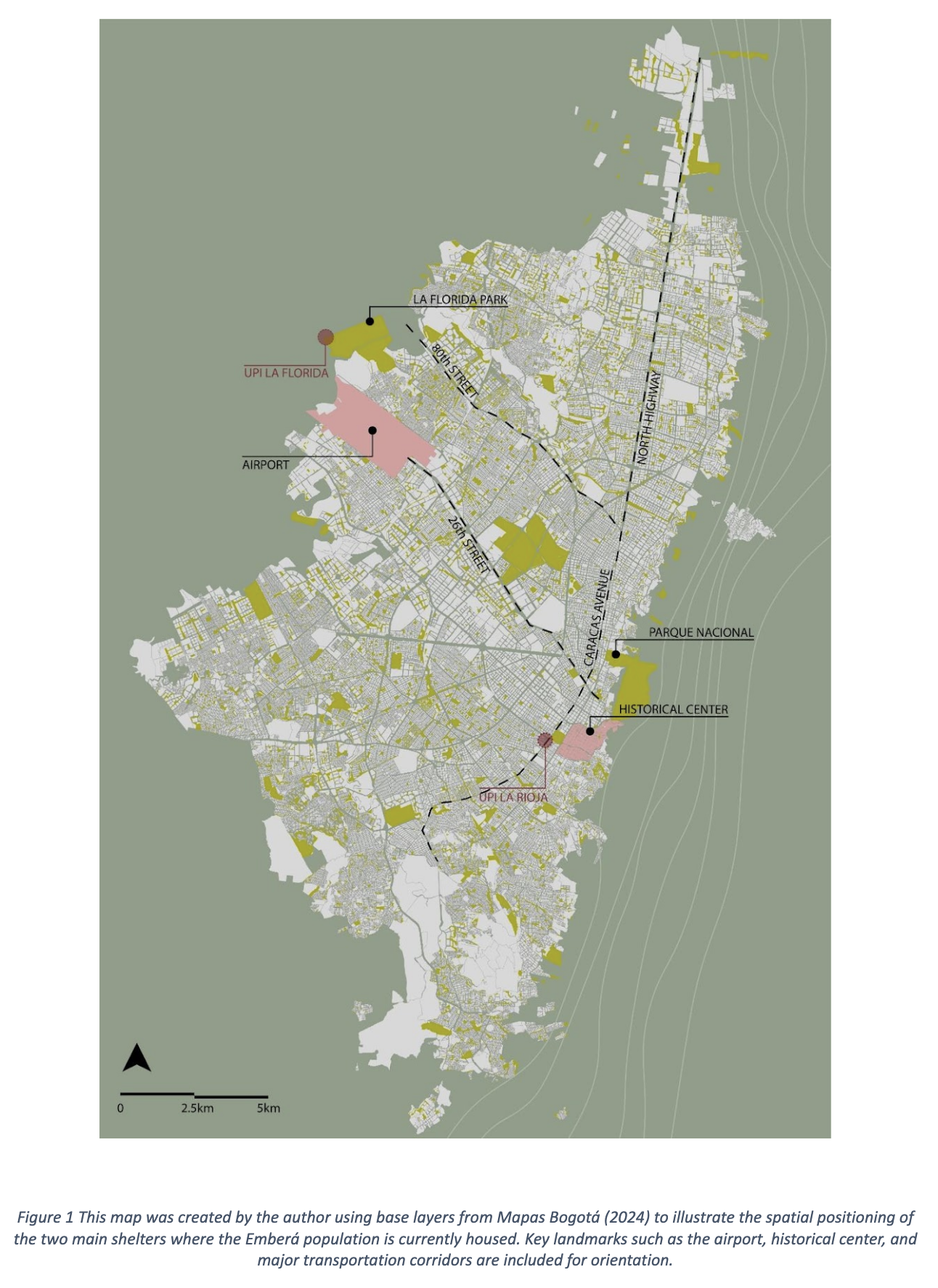
Gender is addressed across different scales, from intimate community spaces to broader urban dynamics. Leandra Graf’s Shaping Public Space: Gendered Dynamics, Resistance, and Community Identity in the Informal Economy of the Rabidante in Tarrafal, Cabo Verde investigates gendered interactions and forms of resistance within the informal economy of Rabidante, revealing how women’s spatial practices as street vendors contribute to community identity and resilience. Tatiana Vejarano Pombo’s thesis explores how spatial dynamics in Bogotá exacerbate gender-based violence against displaced Emberá women, highlighting the critical role of urban space in reinforcing structural violence and exclusion. Moreover, Megan Montecino’s research critiques traditional school design in California, advocating for feminist and participatory approaches that foster more inclusive, equitable, and community-centered educational environments.
Community networks and collective responses emerge as vital forces in disaster and crisis situations. Maria Clara Ribaudo’s Challenging Disaster Narratives explores how grassroots community networks in Spain’s DANA flood foster resilience and social cohesion. Meanwhile, N. Ivet Ruiz Mandujano’s Rethinking Community Kitchens in Temporary Collective Shelters in Latin America focuses on the Venezuelan context, highlighting the role of communal cooking spaces in fostering environmental sustainability, social belonging, and collective recovery in response to humanitarian crises.
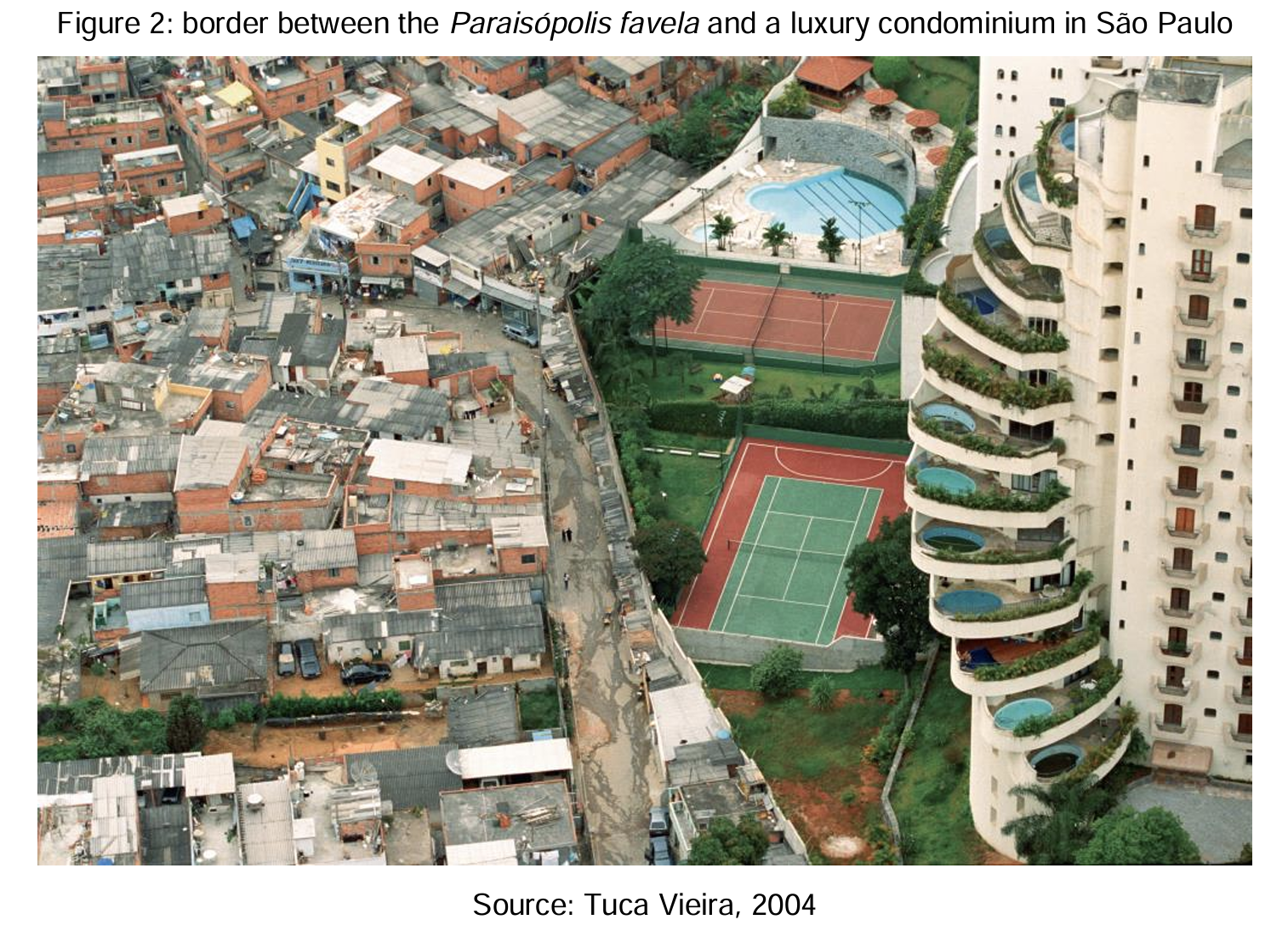
Masaki Komatsu’s thesis adds to this theme by examining participatory design as an ongoing, community-led process in the renovation of a public facility in Jakarta, emphasizing care, negotiation, and long-term engagement beyond tokenistic approaches. Jaren Mendoza Estrada’s thesis, Refugee Housing in Austria, examines how Vienna’s decentralized housing model for asylum seekers fosters autonomy and access to services while still confronting structural barriers like discrimination, affordability, and spatial marginalization. Giulia de Carvalho Contieri’s thesis evaluates the Favela 3D program in Brazil, highlighting its success in improving living conditions and community empowerment while noting challenges in participation and land regularization. Building on these insights into social dynamics, Preksa Udupa’s Same Same, But Different examines educational infrastructure in Mizoram, India, revealing how it contributes to the social reproduction and ‘othering’ of the transnational Chin community. Udupa’s interdisciplinary analysis uncovers deep societal cleavages masked by narratives of brotherhood, emphasizing the importance of critically re-directing education toward equity and inclusion.
Each thesis is firmly rooted in contemporary realities and built on strong methodological frameworks, demonstrating MICSEA’s commitment to critical, context-sensitive, and solution-oriented research. Together, these works contribute valuable insights into pressing global issues while honoring local knowledge and empowering affected communities.Congratulations to our students for producing such thoughtful and engaged work. As they now move into internships with Médicos Sin Fronteras, Every Shelter, Rise and other key organizations, we’re confident their research will continue to evolve and impact real-world practice.
Many thanks to our supervisors, our invited juror, and our guest speaker for helping make this year’s thesis process a rigorous and memorable one.
Disaster Risk Reduction, Climate Change & Resilience
Barriers Beyond the Blaze: The Role of Institutional and Perceptual Barriers in the Mainstream Adoption of Earthen Construction in Post-Wildfire California: The 2018 Camp Fire Case — Natalie Marie Buccini
Challenging Disaster Narratives: The Role of Community Networks in the Dana Flood — Maria Clara Ribaudo
Weaving Water and Wisdom: Local Resistance in the Face of Climate Change — Ximena Eguren
The Paradox of Protection: Climate Change and the Anthropocene in Protected Landscapes — Alaina Schwartz
Forced Displacement: Migration & Shelter
Post-Conflict Housing Recovery: Examining the Impact of Forced Displacement, Urbicide, and Engineered Segregation in Idlib, Syria — Layla Barakat
Refugee Housing in Austria: Spatial Inequality, Integration Challenges, and Policy Disparities — Jaren Mendoza Estrada
Rethinking Community Kitchens in Temporary Collective Shelters for Displaced Populations in Latin America: Pathways to Resilience, Environmental Sustainability, and Belonging — The Case of Venezuela — Norma Ivet Ruiz Mandujano
Decolonization of Humanitarian Architecture in Rwanda — Wael Wehbeh
Urban Inequality, Segregation & Informality
Behind the Glamor: The Hidden Inequalities of a Global Multicultural City – A Study of Spatial Segregation Experienced by the Migrant Labor Class in Dubai — Ruth Solomon
Enduring Transience: Analysing the (De)Construction of Marginality in Hay Mohammadi, Casablanca — Ibtihal El Moatassim
Transnational Migration and Urban Inequalities: Spatial and Socioeconomic Disparities in the Urbanization of Kingston, Jamaica — Nafeesa Clarke
Architectural Development and the Paradox of Progress. Tourism-Driven Development and Its Social Costs: Analyzing the Role of Architecture in Widening Economic Gaps — Orlando Low
Gender, Inclusion & Spatial Justice
Spatial Strategies and Challenges: Exploring Space as a Factor in Gender-Based Violence Toward Displaced Emberá Women in Bogotá’s Urban Context — Tatiana Vejarano Pombo
Shaping Educational Spaces Through Feminist Perspectives: A View from the Bay Area, CA, United States — Megan Montecino
Shaping Public Space: Gendered Dynamics, Resistance, and Community Identity in the Informal Economy of the Rabidante in Tarrafal, Cabo Verde — Leandra Graf
Community Participation, Co-Design & Regeneration
Participatory Design as Commoning: A Case Study of Community Facility Renovation in Kampung Cikini, Jakarta — Masaki Komatsu
Unpacking Collaboration: Post-Implementation Perceptions of the Favela 3D Collaborative Upgrading Methodology in Brazil — Giulia de Carvalho Contieri
Housing Typologies, Adaptability & Education
Anchored Yet Adaptive: Investigating the Balance of Permanence and Adaptability in Housing Design — A Case Study from Thailand — Arthur de Meulder
Same Same, but Different: Examining the Educational Infrastructure for ‘Chin’ in Mizoram, India — Preksha Udupa